Washington is wagging its finger at Tashkent and Astana: keep re-exporting Chinese goods to get around American tariffs, and you will be punished. The warning is set out in a recent White House report. Forty countries made the list of “suspects”, among them Kazakhstan and Uzbekistan.
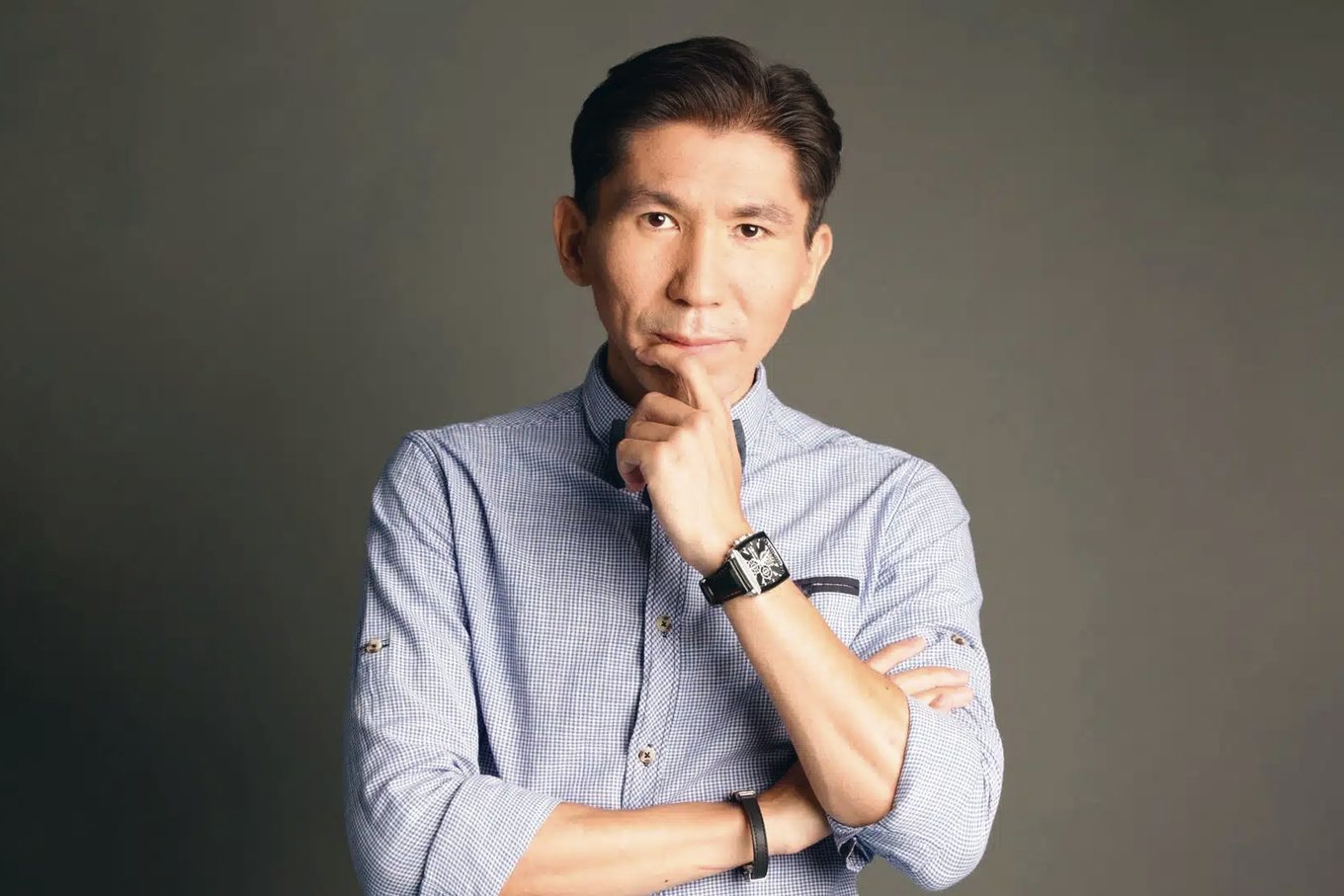
In an interview with Mezon Central, the Kazakh political scientist Dossym Satpayev explains the risks and advises the governments of Central Asia to heed the signal from across the ocean. If they ignore it, they could lose their reputation and their appeal to investors.
— Why is the rivalry between the US and China affecting Central Asia more and more?
— The US has long been in a certain confrontation with China. Remember, at the end of January 2025, at the BRICS summit, when Donald Trump had only just taken office as US president, he threatened some members with sanctions over their plans to drop the US dollar in favour of the yuan. Later the Trump administration said that sooner or later the countries of Central Asia would have to choose which artificial intelligence system they want to use, American or Chinese (WAICO). The White House will draw its conclusions from that. This, too, is a kind of veiled threat.
Despite Trump’s visit to China and his meeting with Xi Jinping, everyone understands that relations between the US and China remain tense. Above all this is about economic disputes, first of all about tariffs. Naturally, sooner or later it was bound to affect Central Asia, if only for the simple reason that China is the region’s geographic neighbour.
— Why are Kazakhstan and Uzbekistan in particular in Washington’s sights?
— Our countries can, physically and legally, give Chinese goods new paperwork and new labels, after which they enter America with a lower tariff burden.
Trade with China is growing very fast, and both Kazakhstan and Uzbekistan are members of the SCO. So there is a certain similarity with the grey imports that Russia relied on. Earlier, the US and the European Union accused the countries of Central Asia of helping Russia get around sanctions.
All those imports from China, the dual-use goods and the signals we heard back then are very similar to what we hear now. So I think the US will now watch closely not so much the volume of trade as particular kinds of goods.
Dossym Satpayev
Most likely this means tighter trade controls. After these statements, the White House will pay more attention to Kazakhstan and Uzbekistan.
— But the US itself is actively building relations with Astana and Tashkent. How does that square with the pressure over China?
— If you look at the White House’s dealings with Astana and Tashkent, they are quite strong. American investors are coming to both Kazakhstan and Uzbekistan and plan to keep coming. As far as I know, in June this year the US and Uzbekistan expanded their trade and investment cooperation.
So it does not suit the White House to spoil relations with Kazakhstan and Uzbekistan. In the past year and a half, senior American officials have mostly visited Astana and Tashkent. Sergio Gor flew in at the start of September. Trump invited Tokayev to the summit in Miami.
So, in principle, these countries are very important partners for the US. That is why I would not claim that relations with China will lead Kazakhstan and Uzbekistan into a confrontation with the US.
Rather, the US has hinted and sent a signal to both Astana and Tashkent: be careful and tighten your controls so that Beijing does not use your jurisdictions to ship its goods to the US.
— How seriously should the countries of Central Asia take this signal from Washington?
— The whole world is used to the tone of ultimatums from across the ocean by now. The Trump administration keeps demanding, declaring, threatening. Then it backs off and waits. Then it offers, insists and threatens again. Many countries have simply built up an immunity, a thick skin.
In the first months, all these shouts from Washington caused shock and awe. Now everyone understands that statements and actions like these are to be expected from the White House. But ignoring the signals is not wise either.
Dossym Satpayev
This is about the global rivalry between the US and China. Clearly the White House will keep trying to divide the whole world into friends and foes.
By the way, we have already seen Trump put very hard pressure on European leaders who did not back him in the war with Iran. He talks about it all the time. The latest scandal came when Donald Trump said he would not object if Argentina wanted to take back the Falkland Islands, which are de jure under British protection.
In other words, he did not back Britain’s legal position. That was revenge on London for not supporting him in the war with Iran.
Trump is very subjective about who is for him and who is against him. The countries of Central Asia must not openly play against him, and the capitals understand this. They need to keep a balance between Washington and Beijing.
So the signal, as they say, has been sent and received. I think control will be tightened in both Astana and Tashkent, so that their jurisdictions are not used and the accusations do not snowball.
— Could economic dependence on China become a problem for Kazakhstan and Uzbekistan in their relations with the US?
— Here is a very important point: the countries of Central Asia trade very little with the US. Only Kazakhstan’s trade is a little higher, and even there it is not decisive.
Even when the US raised its tariff on Kazakhstan to 25 percent, nobody worried much, because that tariff did not cover the rest of the export products: the secondary raw materials that the Americans buy now and will keep buying.
From an economic point of view it is clear: China is the more important partner. The US is certainly important. But it is far away, and by trade America is not even in the top three.
Politically, of course, it does not suit the countries of Central Asia to enter a confrontation with the US now, knowing that the political consequences could be quite unpleasant. Understand that the danger for us lies not so much in the sanctions themselves as in their side effects.
If the White House keeps presenting the countries of the region as potential sanctions violators, it could scare off major players in the international investment market.
Dossym Satpayev
International banks and corporations will start avoiding business with companies from the region, not because those companies have already broken any rules, but because they could fall under sanctions, and then the risks would fall on the international players themselves.